Photography - Portrait
Portrait Photography Without a Studio
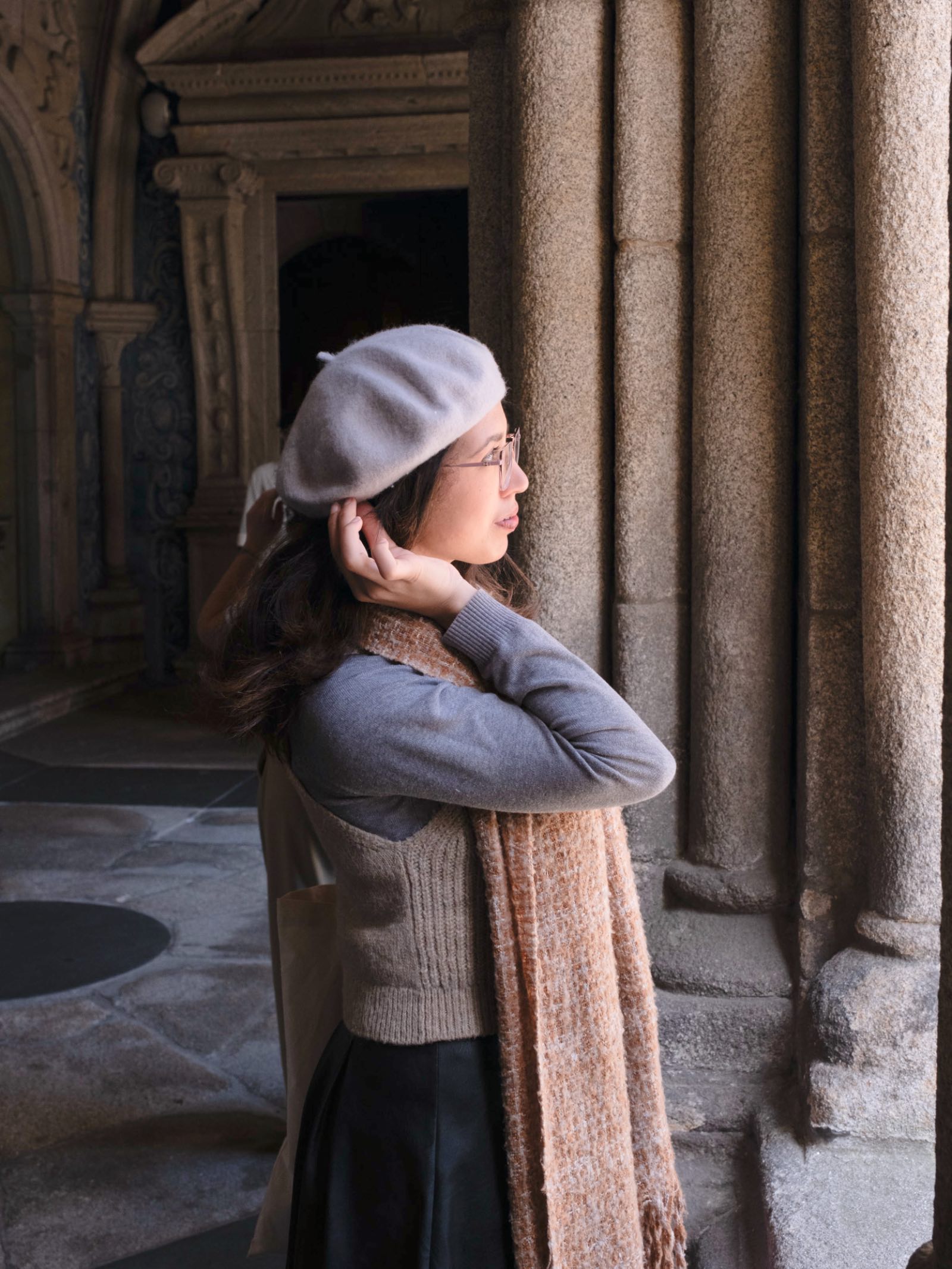
A portrait session in Porto and one in Rovaniemi have almost nothing in common except the camera. The light is different, the pace is different, even what people wear changes with the season and the latitude. What stays the same is the approach — no studio, no backdrop, a real place and enough time for someone to stop performing for the camera and just be there.
Why I Don't Use a Studio
A studio gives total control over light, which sounds like an advantage until you notice what it costs. Strip away the real environment and most of what makes a portrait specific to a person disappears with it — where they live, what they wear when they're not dressed for a photo, how they actually stand when nobody's arranging them. A real location does half the work a studio setup spends hours trying to fake.
It also changes the pace of the session itself. Studio sessions tend to move in a rigid sequence — pose, shot, adjust, repeat. Working in a real place means walking, waiting, letting someone get comfortable in a space before the camera comes up properly. The best frame is rarely the first one; it's usually the one taken after the sitter has forgotten to hold still.
Reading Light Across Three Cities
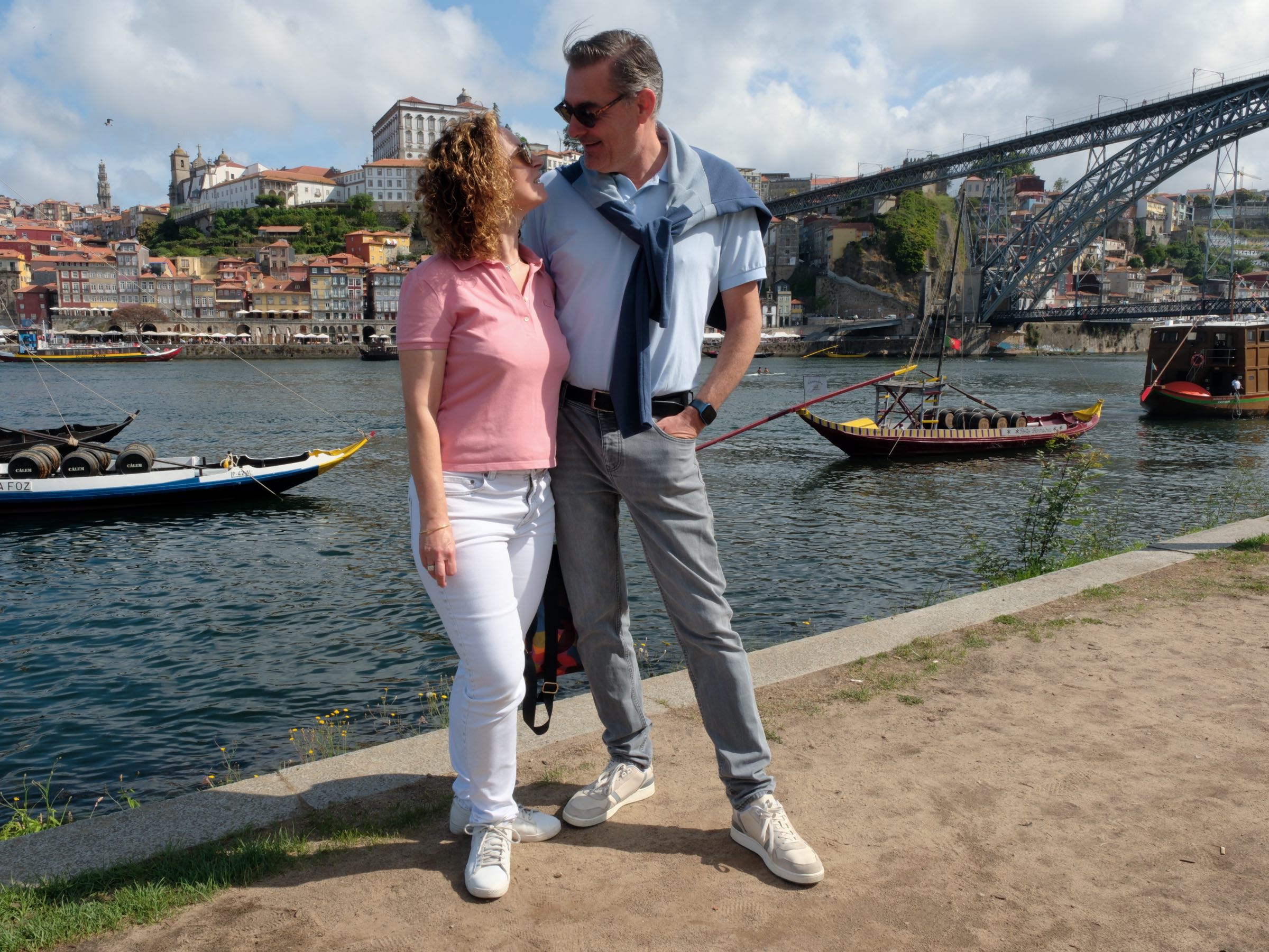
Porto's light is warm and low-angled most of the year, bouncing off pale stone and the river — golden hour there runs long and forgiving, and a session timed for late afternoon does most of the work on its own. Rovaniemi is a different problem entirely: for months the sun barely clears the horizon, giving a soft, directionless light that never gets harsh, but during the aurora season, sessions often happen in blue hour or under artificial light against snow, which behaves nothing like daylight. Helsinki sits somewhere between the two — clear, coastal, a cooler light than Porto's but with none of the extremes of the far north.
Scheduling around this matters more than most people expect. A session booked at the wrong hour in the wrong city fights the light instead of using it, and no amount of editing fully recovers that.
The 50mm Macro as a Portrait Lens
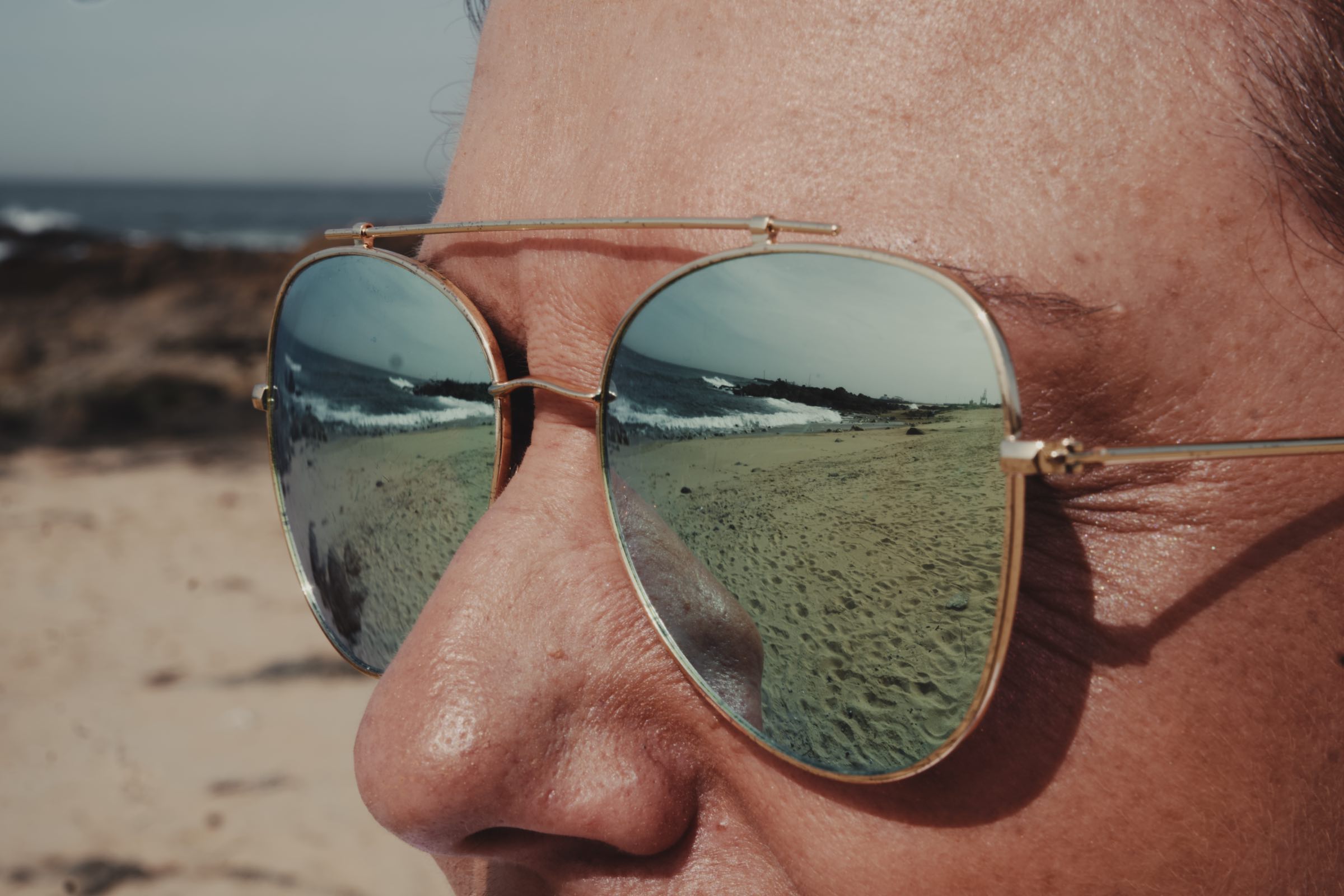
A macro lens isn't the obvious portrait choice, but a 50mm f/2.8 macro does double duty well. At normal portrait distances it behaves like any fast fifty — flattering compression, a clean subject-background separation. Where it earns its place in the bag is the close-focusing range: a session that includes tight detail shots — hands, a ring, the texture of a coat in the cold — doesn't need a second lens swapped in mid-shoot. One lens covers the full range from an environmental portrait to a close, specific detail, which keeps a session moving instead of stopping to change gear.
Directing Without Posing
Most people tense up the moment they're told to pose. The alternative that actually works is giving someone something to do instead of something to perform — walk toward a specific point, look at the view rather than the lens, hold a coffee, react to an actual question rather than a countdown. The photograph comes from the gap between direction and self-consciousness, in the moment right after an instruction when a person is still thinking about the task rather than the camera.
This is slower than a posed shoot, and it should be. Sessions built around real locations and natural light aren't trying to produce the maximum number of frames per hour — they're built around getting to two or three that actually look like the person in front of the camera.
What to Wear, and Other Practical Prep
Simple, solid colors photograph better than busy patterns, and this holds true whether the backdrop is a Porto tile wall or fresh snow in Lapland. For winter sessions specifically, dressing warm enough to stand still for long stretches matters more than the outfit looking perfect — genuine comfort reads on camera far more than a stiff, cold smile does. Layers work better than a single heavy coat, since they can come off for a few frames and go back on between setups.
If you're planning a portrait session in Porto, Rovaniemi, or Helsinki, get in touch through the contact page — sessions are kept small and unhurried, built around whichever light and location actually suit the person in front of the lens.
Share this article